About Me
Current Position
Since November 2024, I am a Postdoctoral Researcher at Michigan State University, supervised by Dr. Josh Vermaas. My work integrates high-performance molecular simulations, computational chemistry/biology, and machine learning to address critical challenges in drug discovery, membrane transport dynamics, and biofuel production.
Ph.D. and Research Background (July 2019 – November 2024)
I completed my Ph.D. in Chemical Engineering from IIT Gandhinagar (July 2019 – November 2024) under Dr. Mithun Radhakrishna. My dissertation and research established strong expertise in computational chemistry, advanced molecular simulations, and data analysis.
Key areas of my doctoral work include:
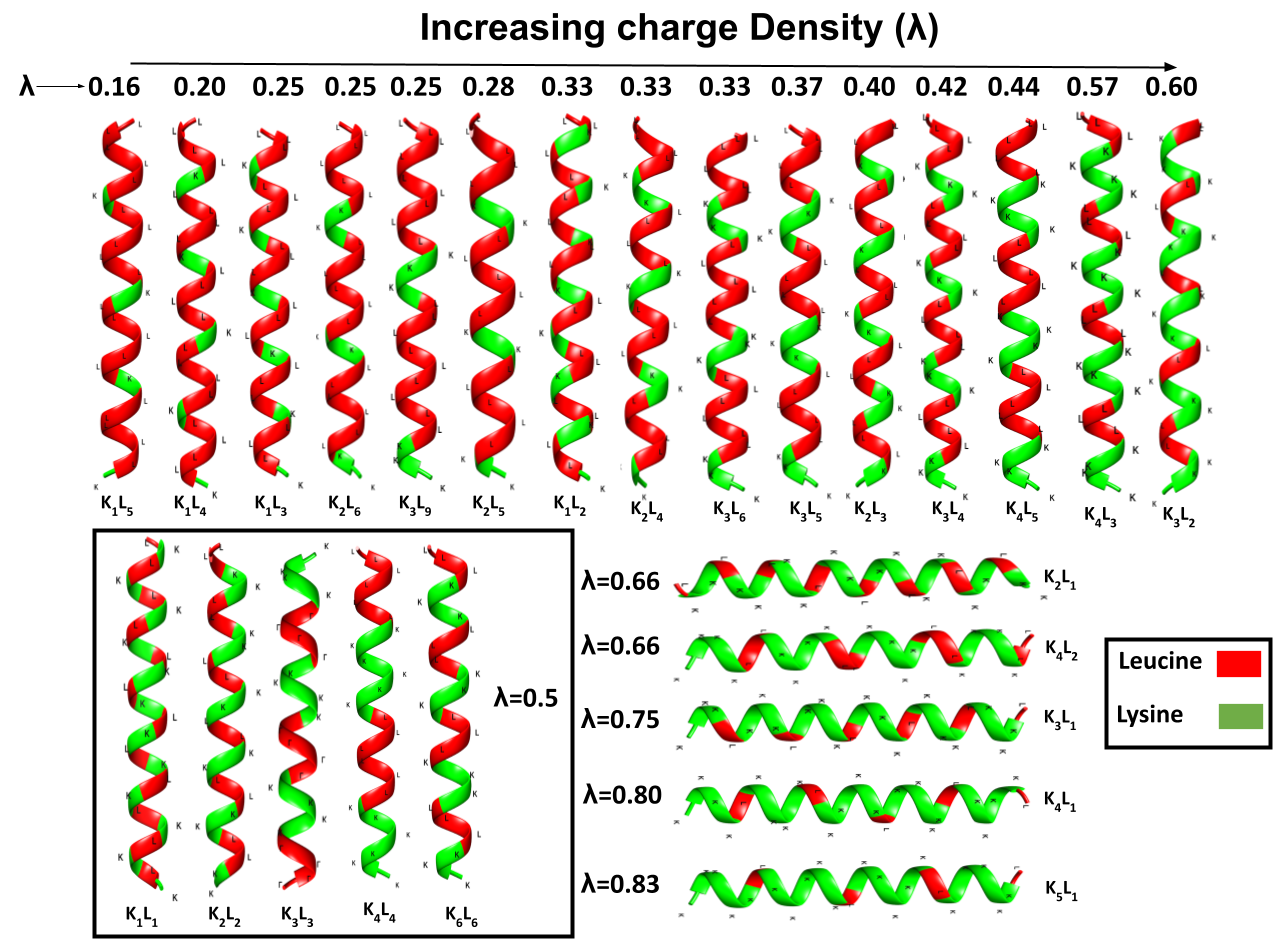
- Helical Stability: Probing the structural dynamics and stability of charged peptides.
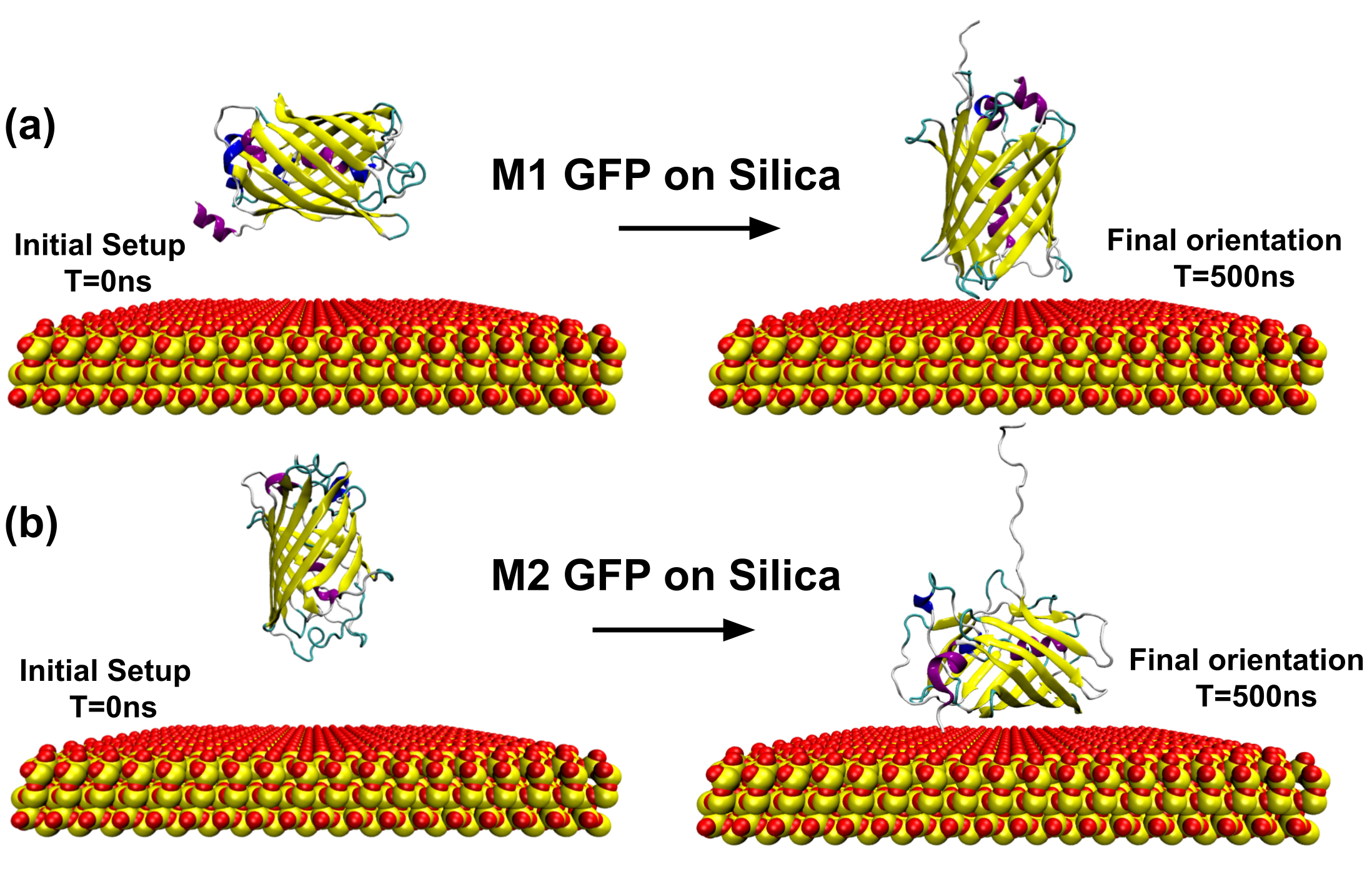
- Protein Orientation: Investigating and tuning electrostatic interactions to control the adsorption orientation of proteins (e.g., GFP) on charged surfaces.
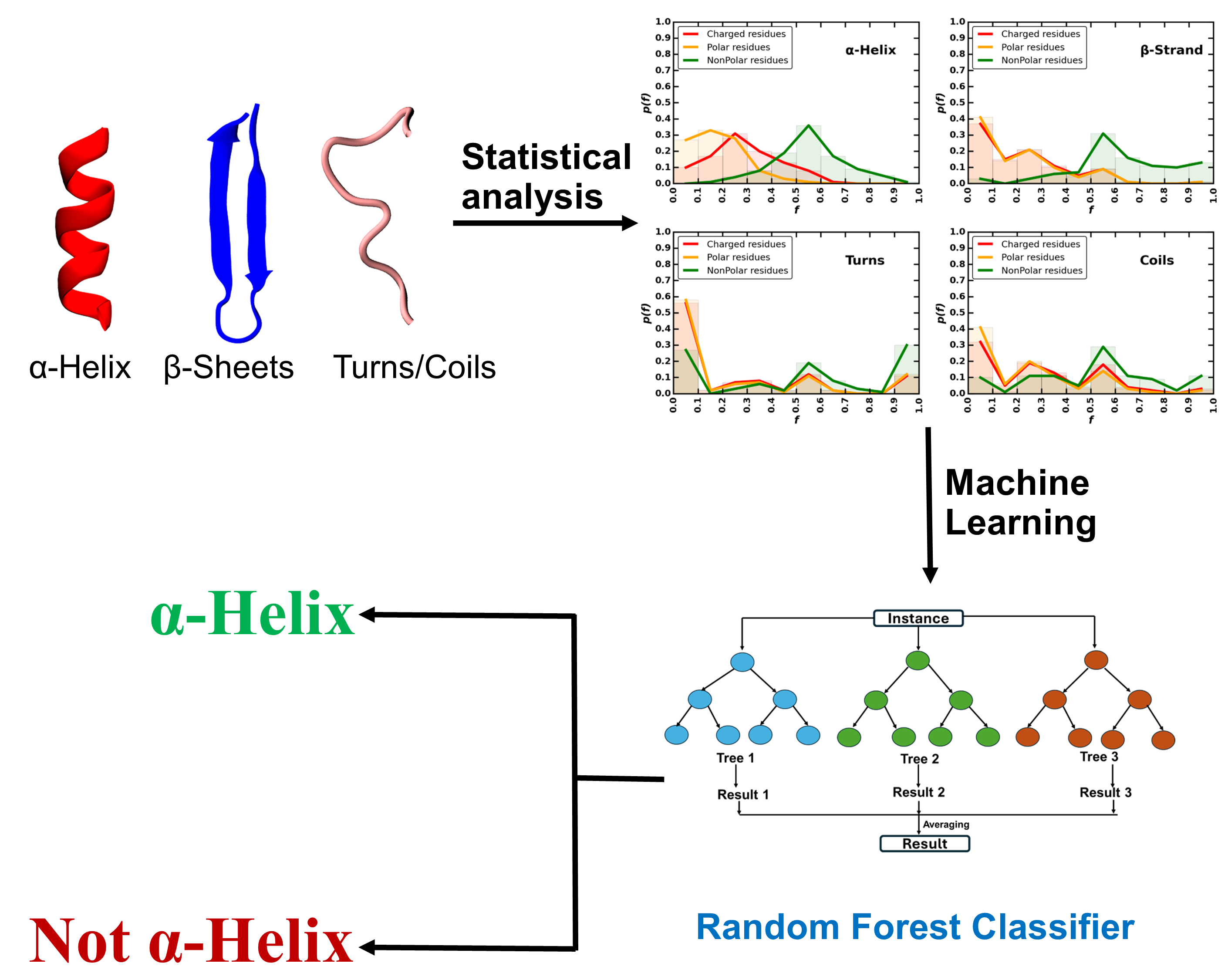
- Scientific Software: Designing and implementing statistical models and predictive algorithms for protein sequence/structure analysis.
Tools Developed
During my Ph.D., I developed several computational tools for protein analysis:
- PSSA: A web-based platform for analyzing protein sequences and structures.
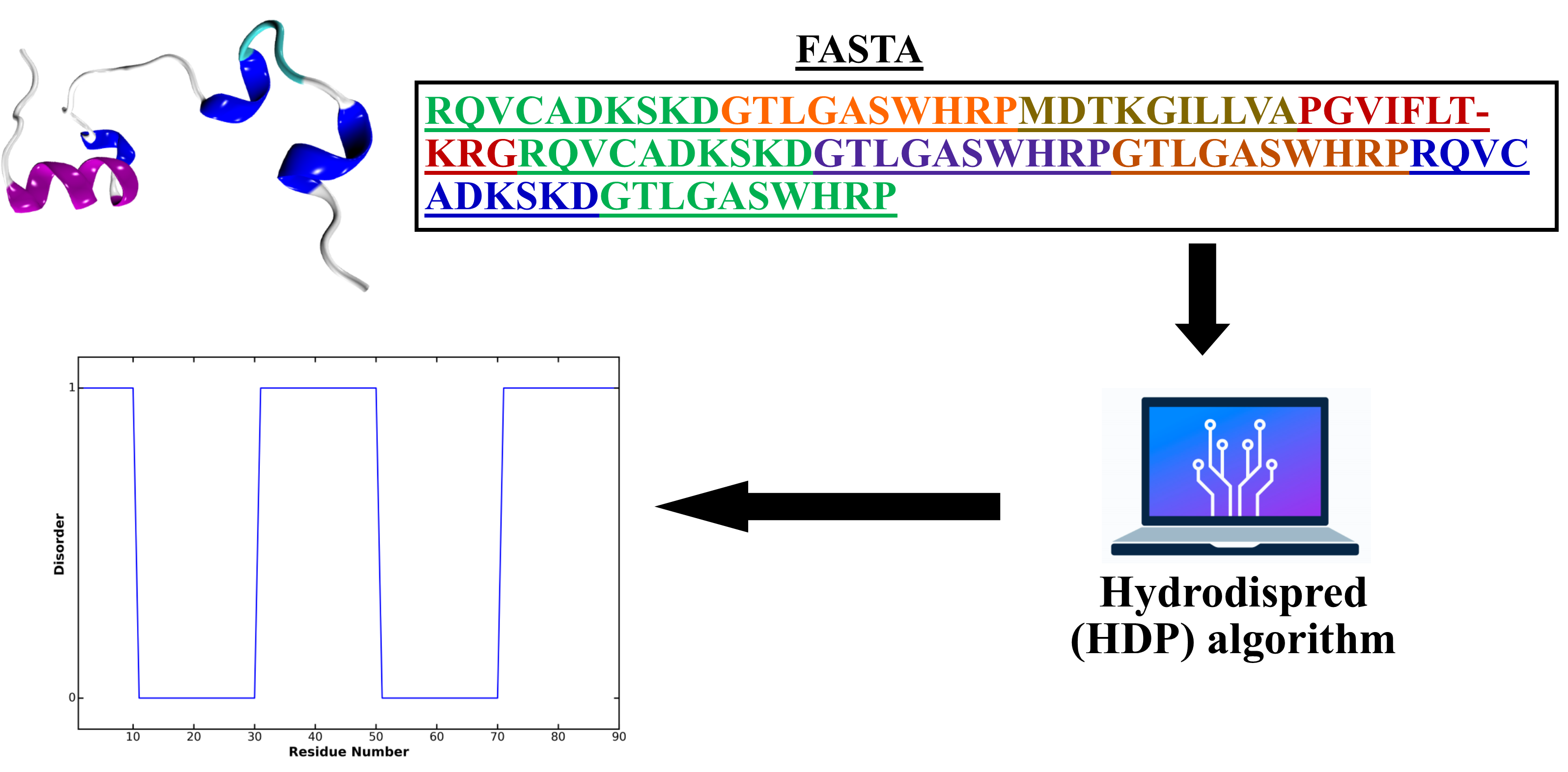
- HydroDisPred: Predicts intrinsically disordered regions based on hydrophobicity.
- LigPlot3D: Interactive 3D visualization of protein-ligand interactions from PDB structures.
Research Interests
I leverage high-performance molecular dynamics simulations and machine learning architectures to solve complex problems at the intersection of chemistry, biology, and materials science.
My primary research vectors include:
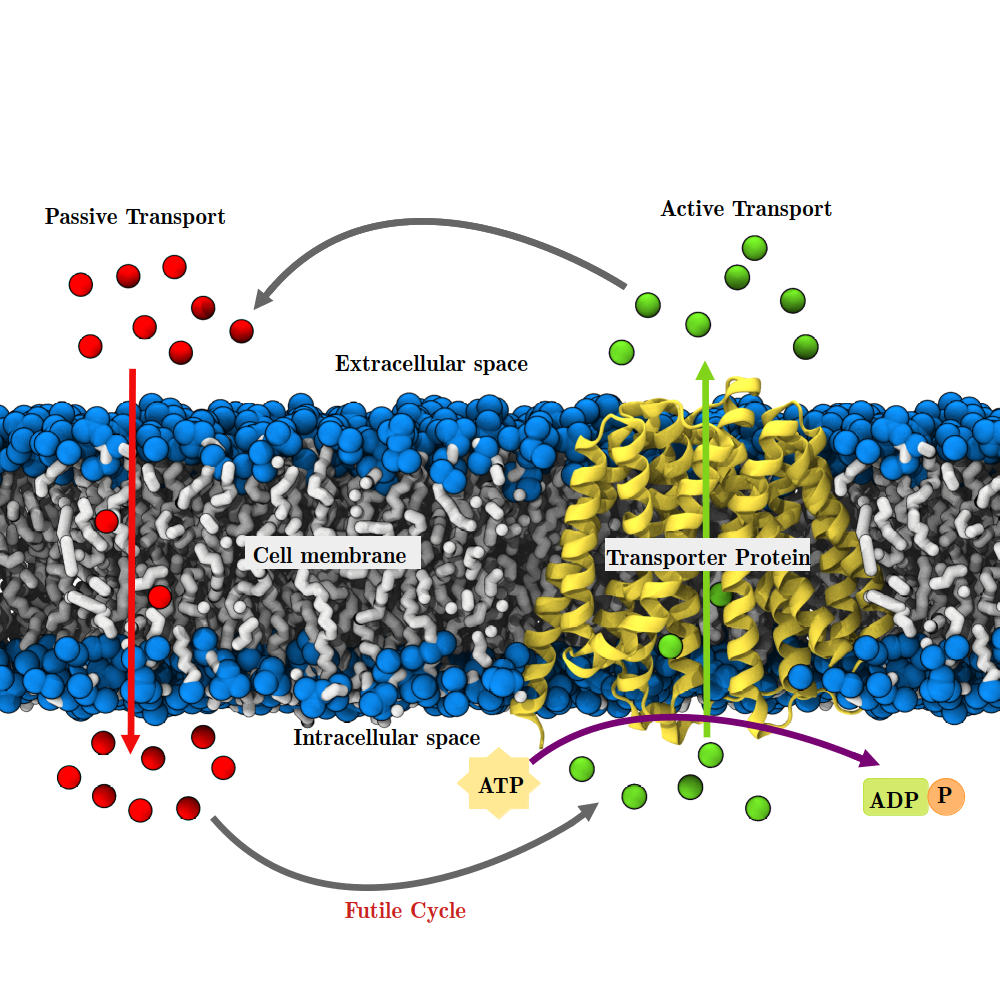
- Membrane Transport & Biophysics: Quantifying small-molecule permeation barriers and lipid-protein interactions to optimize biofuel tolerance and drug transport pathways.
- AI-Driven Protein Design: Deploying generative diffusion models (RFdiffusion, ProteinMPNN) and structural transformers (AlphaFold3, ESMFold) to engineer de novo protein binders.
- Thermodynamics & Enhanced Sampling: Applying metadynamics, FEP, and umbrella sampling to map free energy profiles of peptide folding and protein adsorption orientation on charged interfaces.